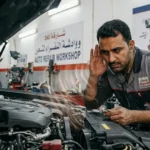
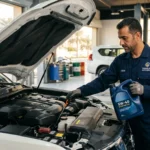
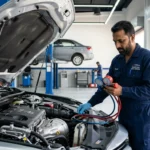
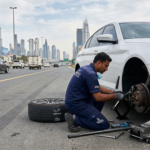
Driving in Sharjah without a properly functioning car AC is more than just uncomfortable it can quickly become dangerous. During UAE summers, cabin temperatures rise extremely fast, especially when vehicles are stuck in heavy traffic or parked under direct sunlight. A sudden AC failure in these conditions can affect driver concentration, passenger comfort, and overall driving safety.
Many car owners notice warning signs before complete AC failure happens. Weak airflow, warm air from vents, unusual smells, strange compressor noises, or inconsistent cooling often indicate deeper problems inside the air conditioning system.
For immediate AC inspection and repair services, visit:
https://sharjahautoworkshop.com/
Why Emergency Car AC Repair Is Important in UAE
Car AC systems in the UAE work significantly harder compared to cooler regions. During summer, temperatures inside parked vehicles can rise dangerously within minutes. A failing AC system affects: Cabin comfort, Driver focus, Passenger safety, Engine cooling efficiency, Fuel consumption.
Ignoring early warning signs may lead to compressor seizure, refrigerant leakage, electrical failure, cooling fan damage, and complete AC system failure.
Common Signs Your Car AC Needs Immediate Repair
Most AC systems show clear symptoms before total failure occurs.
Major Warning Signs Include
| Warning Sign | Possible Cause |
|---|---|
| Warm air from vents | Refrigerant or compressor issue |
| Weak airflow | Blocked filters or evaporator |
| Cooling only while driving | Cooling fan problem |
| Clicking or grinding noises | Compressor damage |
| Bad odor from vents | Mold or evaporator blockage |
| Water leakage inside cabin | Drain blockage |
| AC turns on and off repeatedly | Electrical or sensor issue |
AC Blowing Warm Air Suddenly
One of the most common emergency AC problems in Sharjah is warm air coming from the vents even when the AC is running.
Low Refrigerant Gas
Low refrigerant levels reduce the system’s cooling ability. This usually happens because of refrigerant leaks, damaged seals, or condenser leakage.
Compressor Problems
The compressor circulates refrigerant through the AC system. A failing compressor may cause no cooling, intermittent cooling, or loud noises.
Sensor or Electrical Failure
Faulty sensors may prevent the AC system from operating correctly.
For emergency AC diagnostics, visit:
https://sharjahautoworkshop.com/car-computer-diagnostics/
Weak Airflow from AC Vents
Weak airflow is another common issue during UAE summers. Even if the AC is producing cold air, restricted airflow prevents proper cabin cooling.
Dirty Cabin Air Filter
Dust buildup blocks airflow through the vents and reduces cooling performance.
Evaporator Blockage
Moisture and dirt accumulation reduce airflow and cooling efficiency.
Blower Motor Problems
A weak blower motor reduces air circulation inside the cabin.
Car AC Stops Cooling in Traffic
Many drivers notice that their AC cools properly while driving but stops cooling during traffic congestion.
Cooling Fan Failure
Cooling fans help remove heat from the condenser. If the fan fails, cooling drops significantly during traffic conditions.
Condenser Airflow Problems
Blocked condensers reduce heat dissipation, especially during idle conditions in Sharjah and Dubai traffic.
Strange Noises from the AC System
Unusual noises from the AC system usually indicate internal mechanical problems.
Weak AC Cooling Fan Performance
Cooling fans play a major role in maintaining proper AC performance, especially in UAE weather conditions. Their job is to remove heat from the condenser and help the refrigerant cool efficiently.
When the cooling fan becomes weak or stops working, the AC system struggles to maintain cold air during traffic or idle conditions.
Common Symptoms of Cooling Fan Failure
Many drivers notice that the AC works properly while driving but stops cooling in traffic. This usually happens because natural airflow while driving temporarily cools the condenser.
Other common warning signs include:
- Weak cooling at low speeds
- Rising engine temperature
- Weak airflow from vents
- AC performance dropping in traffic
In Sharjah and Dubai traffic conditions, cooling fan efficiency is extremely important because vehicles spend long hours idling under intense heat.
Evaporator Blockage and Moisture Issues
The evaporator is responsible for cooling the air before it enters the cabin. Over time, dust, moisture, and dirt accumulate inside the evaporator, reducing airflow and cooling performance.
When the evaporator becomes blocked, the AC system cannot circulate cold air properly throughout the vehicle.
Common Evaporator Problems
Several issues can affect evaporator performance, including:
- Mold and bacteria buildup
- Moisture blockage
- Dust accumulation
- Frozen evaporator coils
These problems often create unpleasant odors inside the cabin and reduce overall cooling efficiency. Regular AC servicing helps keep the evaporator clean and improves cabin air quality.
Why UAE Heat Makes AC Problems Worse
The UAE climate places enormous pressure on vehicle AC systems. Continuous exposure to extreme heat forces the entire cooling system to work harder throughout the year.
Extreme Temperatures
Summer temperatures in Sharjah, Dubai, and Ajman regularly exceed 45°C. This increases stress on compressors, cooling fans, and refrigerant systems.
Continuous AC Usage
Unlike colder countries, UAE drivers rely on air conditioning almost every day. Continuous usage accelerates wear on internal AC components.
Dust and Sand Exposure
Dust storms and sandy road conditions clog cabin filters, condensers, and evaporators much faster, reducing airflow and cooling efficiency.
Heavy Traffic Conditions
Long traffic hours and stop-and-go driving increase pressure on the AC system because the vehicle remains stationary while the AC continues operating under high heat conditions.
Without regular maintenance, these harsh UAE conditions significantly reduce the lifespan of car AC systems.
Condenser and Cooling Fan Problems
The condenser releases heat from refrigerant gas. If it becomes blocked or damaged, AC performance drops rapidly.
Dust and Dirt BuildupDust Accumulation on the Condenser
Dust accumulation is one of the most common causes of poor AC performance in Sharjah and Dubai. Since the condenser is positioned at the front of the vehicle, it is constantly exposed to road dust, sand particles, and debris. Over time, this buildup blocks airflow through the condenser fins and prevents heat from escaping properly.
When airflow becomes restricted, refrigerant temperatures increase and the AC system struggles to cool the cabin efficiently. Drivers often notice weaker cooling performance during extremely hot afternoons or while driving in heavy traffic conditions.
Bent Condenser Fins
The condenser contains thin metal fins that help release heat from the refrigerant. If these fins become bent or damaged because of road debris, improper cleaning, or minor front-end impacts, airflow through the condenser decreases significantly.
Reduced airflow lowers cooling efficiency and places additional pressure on the compressor. In UAE weather conditions, even partially damaged condenser fins can noticeably affect cabin cooling performance, especially during long drives or traffic congestion.
Cooling Fan Failure
Cooling fans are responsible for maintaining proper airflow across the condenser during idle conditions and slow-moving traffic. In Sharjah and Dubai traffic, cooling fan performance becomes extremely important because vehicles often remain stationary for long periods while the AC continues operating under intense heat.
If the cooling fan becomes weak or stops working completely, condenser temperatures rise quickly and cooling performance drops significantly. Many drivers notice that the AC cools properly while driving but starts blowing warm air during traffic or while parked with the engine running.
Electrical and Sensor Failures in AC Systems
Modern vehicle AC systems depend heavily on electronics, sensors, and computerized control modules. These components continuously monitor refrigerant pressure, cabin temperature, airflow, and compressor operation to maintain stable cooling performance. Even small electrical faults can interrupt communication between AC components and create inconsistent cooling problems. Because UAE temperatures remain extremely high throughout most of the year, electrical systems inside the AC unit are exposed to additional heat stress and gradual wear.
Faulty Temperature Sensors
Temperature sensors help regulate cooling performance by sending constant information to the vehicle’s climate control system. If a sensor becomes faulty or starts providing incorrect readings, the AC system may behave unpredictably.
Drivers may notice weak cooling, sudden temperature fluctuations, repeated AC cycling, or warm air coming from the vents even when the system is turned on. Sensor-related problems are especially common in vehicles exposed to continuous summer heat in the UAE.
Relay and Fuse Issues
Relays and fuses control electrical power distribution inside the AC system and help activate the compressor properly. If a relay fails or a fuse becomes damaged, the compressor may stop engaging completely. This often causes sudden cooling failure or intermittent AC operation. Electrical overloads, overheating, and aging components gradually weaken relays and fuses over time, particularly in vehicles operating daily under extreme UAE temperatures.
Wiring Problems
Modern AC systems rely on multiple electrical connections between compressors, cooling fans, sensors, and control modules. Damaged or loose wiring can interrupt communication between these components and lead to unstable cooling performance. Heat exposure, vibration, moisture, and aging insulation often damage wiring in UAE driving conditions.
Faulty wiring may cause inconsistent cooling, compressor communication errors, or sudden AC shutdowns that require professional computerized diagnostics for accurate detection.
Why UAE Weather Damages Car AC Systems Faster
Vehicle air conditioning systems in the UAE operate under some of the harshest environmental conditions in the world. Unlike colder countries where AC systems are used seasonally, drivers in Sharjah, Dubai, and Ajman rely on air conditioning almost every day throughout the year.
Continuous exposure to heat, dust, and long traffic hours places enormous pressure on compressors, condensers, cooling fans, refrigerant lines, and electrical systems. Without regular maintenance, these harsh conditions significantly reduce AC system lifespan.
Extreme Heat
Summer temperatures in the UAE regularly exceed 45°C, especially during afternoon hours. Under direct sunlight, vehicle cabin temperatures rise rapidly, forcing the AC system to operate continuously at maximum capacity. This constant workload increases wear on compressors, refrigerant systems, cooling fans, and electrical components. Over time, prolonged exposure to excessive heat becomes one of the biggest reasons behind premature AC system failure in UAE vehicles.
Dust and Sand Exposure
Dust storms and sandy road conditions create serious challenges for vehicle AC systems in Sharjah and Dubai. Fine dust particles enter cabin filters, condenser fins, evaporator surfaces, and cooling fan assemblies. As dirt accumulates, airflow becomes restricted and cooling efficiency decreases significantly. Vehicles operating near industrial areas or construction zones often experience faster AC contamination and require more frequent servicing.
Long Traffic Hours
Heavy traffic congestion in Sharjah and Dubai places additional stress on vehicle AC systems because cars remain stationary while the AC continues operating under extreme temperatures. During idle conditions, the cooling fans become fully responsible for maintaining airflow through the condenser.
This increases compressor workload, refrigerant pressure, and overall system temperature. Long traffic hours are one of the most common reasons why many vehicles experience weak AC performance during UAE summers.
Year-Round AC Usage
Unlike colder regions where air conditioning systems are used only during summer, UAE drivers depend on AC systems throughout the year. Continuous operation naturally increases wear on compressors, blower motors, refrigerant seals, cooling fans, and electrical sensors. Over time, constant usage accelerates component wear and increases the likelihood of unexpected AC failures if preventive maintenance is neglected.
Step-by-Step Emergency AC Diagnostic Process
Professional emergency diagnostics help identify the exact cause of AC failure quickly and accurately. Modern vehicle AC systems require advanced tools and experienced technicians to properly inspect refrigerant pressure, electrical components, airflow efficiency, and compressor operation. Early diagnostics help prevent major component damage and reduce long-term repair costs.
Step 1: Refrigerant Pressure Check
Technicians begin by inspecting refrigerant pressure levels using specialized AC gauges. Incorrect pressure readings often indicate refrigerant leakage, compressor problems, or internal blockages within the AC system. Pressure testing helps determine whether the system is operating within manufacturer specifications.
Step 2: Leak Detection
If refrigerant levels are low, technicians use advanced leak detection equipment to identify where the gas is escaping. Common leak locations include AC hoses, condenser joints, compressor seals, and refrigerant pipes. Detecting leaks early helps prevent further refrigerant loss and protects the compressor from overheating damage.
Step 3: Compressor Inspection
The compressor is carefully tested to evaluate clutch operation, pressure generation, refrigerant circulation, and internal mechanical condition. A weak or damaged compressor often causes intermittent cooling, unusual noises, or complete AC failure. Professional inspection helps identify early compressor wear before severe internal damage occurs.
Step 4: Electrical System Scan
Modern computerized diagnostic tools are used to inspect sensors, relays, modules, and electrical circuits connected to the AC system. This process helps identify hidden electrical faults, communication errors, sensor failures, and compressor control issues that may affect cooling performance.
Step 5: Cooling Efficiency Test
After completing inspection or repairs, technicians measure vent air temperature to confirm proper cooling performance under UAE weather conditions. This final test ensures the AC system can maintain stable cabin cooling during high outdoor temperatures and heavy traffic conditions.
For advanced diagnostics, visit:
https://sharjahautoworkshop.com/car-computer-diagnostics/
Professional Car AC Repair Services in Sharjah
Professional workshops provide complete AC repair solutions for all vehicle types.
Services Include
- AC gas refill
- Leak detection
- Compressor repair
- Condenser replacement
- Cooling fan repair
- Evaporator cleaning
- Electrical diagnostics
- Cabin filter replacement
For German vehicle specialists, visit:
https://sharjahautoworkshop.com/german-car-repair/
Preventive AC Maintenance Tips for UAE Drivers
Preventive maintenance helps avoid emergency breakdowns during summer.
Replace Cabin Filters Regularly
Dusty UAE conditions clog filters quickly.
Service AC Annually
Routine inspections improve cooling efficiency.
Check Refrigerant Levels
Low refrigerant damages compressors over time.
Clean Condenser Frequently
Removing dirt improves airflow and cooling.
Watch for Early Warning Signs
Weak airflow or unusual noises should never be ignored.
FAQs
Why is my car AC blowing warm air in Sharjah?
Common causes include low refrigerant gas, compressor failure, cooling fan problems, or electrical faults.
Why does my AC stop cooling in traffic?
This usually indicates condenser airflow problems or cooling fan failure.
How often should I service my car AC in UAE?
Most vehicles require AC servicing at least once a year due to extreme weather conditions.
Can low refrigerant damage the compressor?
Yes. Low refrigerant reduces lubrication and may cause compressor overheating or seizure.
Why does my AC smell bad?
Mold, bacteria buildup, or blocked evaporator drains usually cause unpleasant odors.
Conclusion
A properly functioning car AC system is essential for safe and comfortable driving in Sharjah and across the UAE. Ignoring early warning signs like weak cooling, strange noises, warm air, or bad odors can quickly lead to expensive AC repairs and complete system failure.
Routine maintenance and fast emergency diagnostics are critical for preventing major breakdowns in UAE weather conditions.
Contact & Booking CTA
If your car AC suddenly stops cooling or shows signs of failure, don’t wait until the problem becomes worse. Book emergency AC repair services today with Sharjah Auto Workshop for fast diagnostics, expert repairs, refrigerant servicing, compressor inspection, and complete cooling system solutions.
Contact Us:
https://sharjahautoworkshop.com/contact-us/
AC Repair Services:
https://sharjahautoworkshop.com/car-ac-repair-sharjah/
Diagnostics Services:
https://sharjahautoworkshop.com/car-computer-diagnostics/