Your vehicle’s engine is the heart of the entire car. When the engine starts developing problems, every part of the vehicle’s performance is affected, from fuel efficiency and acceleration to safety and long-term reliability. In Sharjah and across the UAE, extreme temperatures, heavy traffic, long driving hours, and dusty conditions place enormous pressure on vehicle engines throughout the year.
Many drivers ignore early warning signs until the damage becomes severe and repair costs become significantly higher. Unfortunately, delaying engine diagnostics can lead to overheating, internal engine wear, breakdowns, and complete engine failure.
Modern vehicles are designed to provide warning signs before major engine damage occurs. Dashboard warning lights, unusual noises, rough idling, overheating, smoke from the exhaust, loss of power, and fluid leaks are all signs that your engine may require immediate professional attention.
Understanding these symptoms early can help prevent expensive repairs and improve the overall lifespan of your vehicle.
For professional diagnostics and engine inspections in Sharjah, visit:
https://sharjahautoworkshop.com/engine-repair/
Why Engine Problems Should Never Be Ignored
Engine problems rarely appear suddenly without warning. Most vehicles show early symptoms before serious mechanical failure occurs. Ignoring these warning signs often leads to expensive internal engine damage, reduced fuel economy, and unsafe driving conditions.
In Sharjah and Dubai traffic conditions, vehicles spend long hours exposed to extreme heat while operating under heavy engine load. Continuous stop-and-go driving increases stress on engine oil, cooling systems, ignition components, and sensors.
Minor problems such as oil leaks, overheating, or unusual noises can quickly develop into major mechanical failures if repairs are delayed. Early diagnostics help identify hidden issues before they damage critical engine components.
Common Signs Your Car Engine Needs Immediate Repair
Modern vehicles use multiple sensors and computerized systems to monitor engine performance continuously. When something goes wrong, the vehicle usually provides clear warning symptoms. Common engine warning signs include:
- Check engine light staying on
- Engine overheating
- Knocking or grinding noises
- Smoke from the exhaust
- Sudden power loss
- Rough idling
- Difficulty starting
- Engine stalling
- Poor fuel efficiency
- Burning smells or leaks
If you notice any of these problems, immediate inspection is highly recommended.
Check Engine Light Staying On
The check engine light is one of the most common indicators of engine problems. While some drivers ignore this warning, the light often signals underlying mechanical, electrical, or sensor-related issues that require immediate attention.
Modern vehicles rely on multiple sensors to regulate fuel delivery, airflow, ignition timing, and emissions performance. When one of these systems fails, the engine control module activates the warning light.
Common Causes of Check Engine Light Activation
Faulty oxygen sensors are one of the most frequent causes of check engine warnings. These sensors monitor exhaust gases and help regulate fuel mixture efficiency. When they fail, fuel consumption increases and engine performance becomes unstable. Mass airflow sensor problems can also trigger warning lights because the engine cannot properly measure incoming air volume. Incorrect airflow readings often reduce acceleration and increase fuel consumption.
Crankshaft and camshaft sensor failures affect ignition timing and engine synchronization. These problems may cause rough idling, starting difficulties, or engine stalling. Ignition system problems such as worn spark plugs, faulty ignition coils, or electrical wiring faults can also activate the warning light and reduce engine efficiency.
For advanced diagnostics, visit:
https://sharjahautoworkshop.com/car-computer-diagnostics/
Engine Overheating Problems
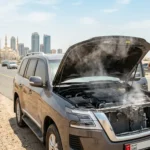
Engine overheating is one of the most serious warning signs that should never be ignored. In UAE weather conditions, overheating problems are extremely common because engines operate under intense heat for long periods.
Continuous traffic congestion, long highway driving, and high outdoor temperatures place enormous pressure on vehicle cooling systems.
Common Causes of Engine Overheating
Low coolant levels reduce the engine’s ability to regulate temperature properly. Coolant loss may occur because of radiator leaks, damaged hoses, water pump failure, or coolant evaporation.
Radiator problems also reduce cooling efficiency significantly. If the radiator becomes blocked or damaged, heat cannot escape properly from the engine.
A faulty thermostat may stop coolant circulation completely, causing rapid temperature increases inside the engine.
Cooling fan failure is another major cause of overheating in Sharjah and Dubai traffic conditions because airflow becomes limited while the vehicle remains stationary.
Warning Signs of Overheating
Drivers often notice the temperature gauge rising rapidly or dashboard temperature warnings appearing during traffic or long drives. Steam from the hood, reduced AC cooling performance, and sweet coolant smells are also common overheating symptoms. Driving an overheated vehicle may damage cylinder heads, pistons, head gaskets, and the engine block itself.
According to UAE Ministry of Energy and Infrastructure, regular vehicle maintenance plays an important role in reducing roadside breakdowns and improving road safety.
Knocking, Ticking, or Grinding Noises
A healthy engine should operate smoothly without unusual mechanical sounds. Knocking, ticking, or grinding noises often indicate serious internal engine problems that require immediate professional inspection.
Engine Knocking Sounds
Knocking noises are commonly caused by abnormal fuel combustion or internal component wear. Low engine oil, worn bearings, carbon buildup, poor fuel quality, and ignition timing problems are all possible causes.
Ignoring knocking sounds can lead to severe internal engine damage over time.
Ticking Sounds from the Engine
Ticking noises are often linked to valve train wear, low oil pressure, or hydraulic lifter problems. These sounds may become louder during startup or acceleration.
Grinding Noises
Grinding sounds usually indicate timing chain issues, pulley damage, or internal metal wear inside the engine. If grinding noises appear suddenly, the vehicle should be inspected immediately to prevent catastrophic engine failure.
Smoke Coming from the Exhaust
Exhaust smoke color often reveals important information about engine condition and internal mechanical problems.
Blue Exhaust Smoke
Blue smoke usually means engine oil is burning inside the combustion chamber. This may happen because of worn piston rings, valve seal damage, or turbocharger oil leakage.
Black Exhaust Smoke
Black smoke indicates excessive fuel combustion inside the engine. Dirty air filters, injector problems, faulty oxygen sensors, or fuel pressure imbalance are common causes.
White Exhaust Smoke
Thick white smoke may indicate coolant leakage inside the engine because of a blown head gasket, cracked cylinder head, or severe overheating damage.
Persistent exhaust smoke should never be ignored because it often signals major internal engine issues.
Sudden Loss of Engine Power
If your vehicle suddenly feels weak during acceleration or struggles at highway speeds, the engine may have serious performance problems. Fuel delivery issues, ignition system failures, turbocharger problems, and airflow restrictions commonly reduce engine power and responsiveness.
Drivers often notice power loss while overtaking, climbing slopes, or driving at higher speeds on UAE highways. Turbocharged vehicles may experience power reduction because of turbo leaks, wastegate faults, or oil starvation problems.
For professional engine diagnostics and repairs, visit:
https://sharjahautoworkshop.com/engine-repair/
Rough Idling and Engine Vibrations
Rough idling occurs when the engine runs unevenly while the vehicle is stationary. Drivers may notice vibrations, unstable RPM movement, or shaking sensations inside the cabin. Faulty spark plugs, ignition coil failures, dirty fuel injectors, vacuum leaks, or airflow sensor problems are common causes of rough idling.
In many cases, rough engine operation becomes worse when the AC system is turned on or during hot UAE weather conditions. Ignoring rough idling may eventually damage engine mounts and reduce long-term engine reliability.
Oil Leaks and Burning Smells
Oil leaks are among the most common engine issues in vehicles operating under high UAE temperatures. Heat gradually weakens seals and gaskets, allowing engine oil to leak onto hot components.
Burning Oil Smell
A burning oil smell usually happens when leaking oil touches hot engine surfaces such as exhaust components or engine manifolds.
Burning Rubber Smell
Burning rubber odors may indicate worn belts, damaged hoses, or pulley problems inside the engine bay.
Electrical Burning Smell
Electrical overheating can result from wiring faults, alternator issues, or short circuits.
If strong burning odors or visible smoke appear, the vehicle should be inspected immediately.
Difficulty Starting the Vehicle
Hard starting is often an early warning sign of engine, ignition, or electrical system problems. Weak batteries are extremely common in the UAE because high temperatures shorten battery lifespan significantly.
Starter motor failures may prevent the engine from cranking properly, while weak fuel pumps can reduce fuel delivery during startup. Faulty spark plugs or ignition coils also affect combustion efficiency and starting performance.
For battery inspections and replacement services, visit:
https://sharjahautoworkshop.com/car-battery-replacement/
Engine Stalling While Driving
Engine stalling is one of the most dangerous engine warning signs because it directly affects vehicle control and safety. Fuel system failures, sensor malfunctions, ignition problems, ECU faults, and airflow restrictions may all cause the engine to shut off unexpectedly.
Stalling during traffic conditions in Sharjah or Dubai creates serious safety risks, especially on highways and busy roads. Immediate computerized diagnostics are strongly recommended if the engine stalls even once.
Poor Fuel Efficiency
A sudden drop in fuel economy often indicates hidden engine problems. Faulty oxygen sensors, dirty injectors, low tire pressure, airflow restrictions, and ignition issues all reduce fuel efficiency.When the engine operates inefficiently, it consumes more fuel to maintain normal performance.
Drivers in Sharjah who spend long hours in traffic may notice fuel economy problems becoming worse over time if maintenance is neglected. Routine servicing, oil changes, and diagnostics help maintain proper engine efficiency and reduce fuel consumption.
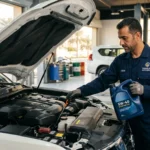
For oil change services, visit:
https://sharjahautoworkshop.com/oil-change-service/
Why UAE Weather Damages Engines Faster
The UAE climate creates extremely harsh conditions for vehicle engines. Continuous exposure to extreme temperatures, dust, traffic congestion, and long-distance driving places constant stress on engine components.
High temperatures accelerate oil breakdown, increase coolant evaporation, and weaken rubber seals faster than in cooler regions.
Dust and sand particles also contaminate air filters and reduce airflow efficiency, forcing engines to work harder. Vehicles operating daily in Sharjah Industrial Area or construction-heavy environments usually require more frequent maintenance because of increased dust exposure.
Step-by-Step Engine Diagnostic Process
Professional engine diagnostics help identify the exact cause of performance issues before major damage occurs.
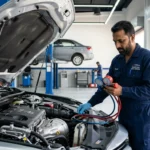
Step 1: Computerized Engine Scan
Advanced diagnostic scanners are connected to the vehicle to retrieve engine fault codes and sensor data.
Step 2: Fluid Inspection
Technicians inspect engine oil, coolant levels, transmission fluid, and possible leaks.
Step 3: Ignition System Testing
Spark plugs, ignition coils, and electrical connections are checked for performance issues.
Step 4: Fuel System Inspection
Fuel injectors, fuel pressure, and delivery systems are tested to ensure proper combustion.
Step 5: Road Performance Test
The vehicle is tested under real driving conditions to evaluate engine responsiveness and overall performance.
For computerized diagnostics, visit:
https://sharjahautoworkshop.com/car-computer-diagnostics/
Professional Engine Repair Services in Sharjah
Professional workshops provide complete engine diagnostics and repair solutions for all vehicle types, including Japanese, German, luxury, and SUV models.
Engine repair services may include:
- Engine diagnostics
- Cooling system repairs
- Timing chain replacement
- Oil leak repairs
- Turbocharger repairs
- Fuel injector servicing
- Engine overheating repairs
- Ignition system repairs
For German vehicle repair specialists, visit:
https://sharjahautoworkshop.com/german-car-repair/
Preventive Engine Maintenance Tips
Regular engine maintenance is essential for long-term vehicle reliability in UAE driving conditions. Changing engine oil on time helps reduce friction and internal wear. Monitoring coolant levels prevents overheating and protects engine components from heat damage.
Replacing air filters regularly improves airflow and combustion efficiency, especially in dusty environments. Drivers should also pay attention to unusual noises, warning lights, vibrations, or performance changes because early diagnosis often prevents expensive repairs.
Routine servicing significantly improves engine lifespan, fuel efficiency, and overall driving safety.
FAQs
What are the first signs of engine trouble?
Common early warning signs include dashboard warning lights, overheating, unusual noises, rough idling, smoke from the exhaust, and reduced engine power.
Can I drive with the check engine light on?
Driving with the check engine light on is risky because the problem may worsen and cause major engine damage if ignored.
Why does my engine overheat in Sharjah traffic?
Extreme UAE temperatures, coolant leaks, radiator problems, and cooling fan failures commonly cause overheating in traffic conditions.
What causes engine knocking sounds?
Low engine oil, worn bearings, poor fuel quality, and ignition timing problems are common causes of engine knocking.
Why is my car losing power during acceleration?
Fuel system issues, airflow restrictions, ignition failures, or turbocharger problems often reduce engine power.
Is white smoke from the exhaust dangerous?
Yes. Thick white smoke may indicate coolant leakage or head gasket failure, which requires immediate repair.
How often should I service my engine in UAE?
Regular servicing every few thousand kilometers is recommended because UAE conditions place additional stress on engines.
Where can I get professional engine diagnostics in Sharjah?
Professional engine diagnostics and repairs are available at Sharjah Auto Workshop.
Conclusion
Your vehicle’s engine gives clear warning signs before major failure occurs. Ignoring symptoms like overheating, warning lights, rough idling, smoke, unusual noises, or sudden power loss can quickly lead to expensive repairs and serious safety risks.
Because Sharjah and UAE driving conditions place enormous pressure on engines, regular maintenance and fast diagnostics are essential for long-term reliability. Professional inspections help detect hidden problems early, improve engine performance, and prevent unexpected breakdowns on busy roads.
Contact & Booking CTA
If your vehicle is showing signs of engine trouble, do not wait for the damage to become worse. Book a professional engine inspection today with Sharjah Auto Workshop for advanced diagnostics, overheating repairs, oil leak repairs, ignition system repairs, and complete engine solutions.
Contact Us:
https://sharjahautoworkshop.com/contact-us/
Engine Repair Services:
https://sharjahautoworkshop.com/engine-repair/
Diagnostics Services:
https://sharjahautoworkshop.com/car-computer-diagnostics/
Explore All Services:
https://sharjahautoworkshop.com/